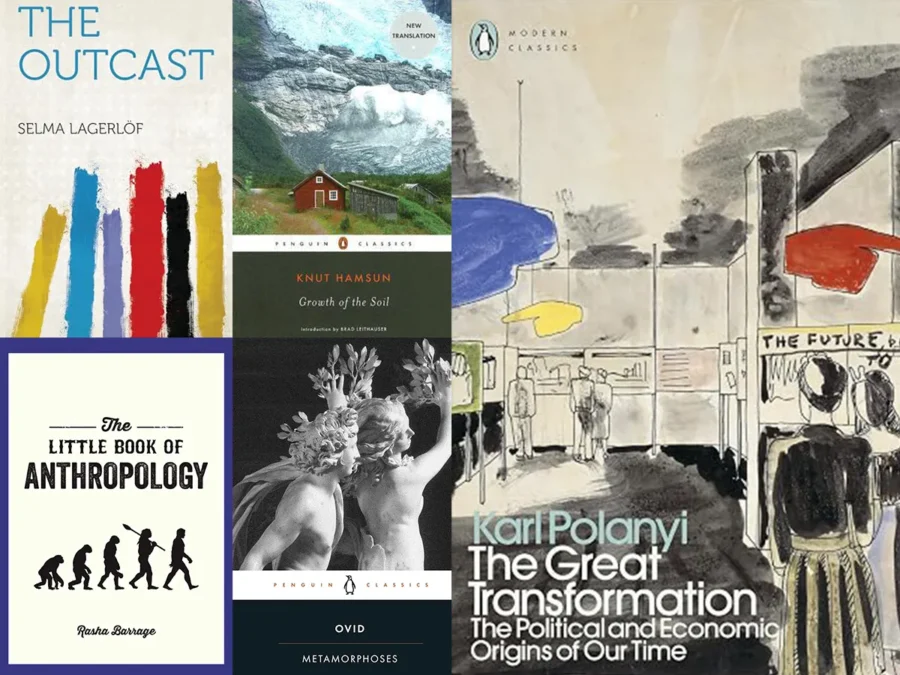

From Scandinavian epics and classical Roman poetry to modern anthropology, these are the books I read in October.
My favourite reads in October were a couple of early Nobel Prize winners, but I also read some Roman poetry, anthropology, and economics.
The Outcast by Selma Lagerlof
For some reason I was browsing a list of Nobel laureates and saw that Selma Lagerlof was the first woman to win the Nobel Prize in Literature. I knew nothing about her and had read none of her work, so I decided to rectify that. I’m glad I did: The Outcast was an enjoyable tale featuring a good man who becomes an outcast in his rural Swedish community, a woman trying to escape from a controlling husband, a religious mystic, and more fascinating characters.
Growth of the Soil by Knut Hamsun
While I was catching up with early Scandinavian Nobel Prize winners, I thought why not try this classic by Norwegian writer Knut Hamsun. Again, I’m happy I did. Growth of the Soil starts as a “man against nature” tale of a solitary settler, picking a spot in the wilderness and scratching a living from the soil. Then, as the book develops, it shows Isak’s traditional lifestyle coming up against modernity.
Metamorphoses by Ovid
Ovid’s Metamorphoses take us through the major characters and stories of classical mythology, from the creation of the world through a dizzying array of jealous, lustful, cruel and occasionally wise gods and heroes. It’s one of those books that I’d wanted to read for years (decades?), and I’m happy I finally got around to it.
The Little Book of Anthropology by Rasha Barrage
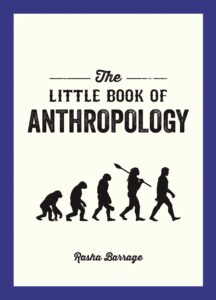
I can’t remember where this book came from, but it was on my Kindle, so I read it. It was a quick, easy read, but I didn’t get much from it. It was such a “little book” that there wasn’t much depth on any topic—just a page or two on each idea, with the kind of basic summary you could get from Wikipedia, and then the book moved on to the next thing. Maybe it’s OK as an introduction if you know literally nothing about anthropology, but I don’t know much about it, and it felt too simplistic for me.
The Great Transformation by Karl Polanyi
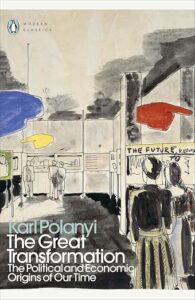
Although it was written in 1944 and deals largely with the 19th century, The Great Transformation is quite relevant to today’s world. Polanyi’s basic thesis is that the 19th-century belief in “the alleged self-healing virtues of unconscious growth” laid the groundwork for the fascism that tore Europe apart in the early 20th century. Unfettered free-market capitalism creates such misery and social disintegration that governments regulate it to save people from destitution, and in doing so they slow economic growth, creating an impasse. Fascism offers to restore growth and vigour, but at the expense of democracy itself. It’s actually a more complex argument that needs more space than I’ve given it in this brief summary, so maybe I’ll write a full post on it.
What did you read this month?
Let me know how your reading month was. Which was your favourite book, and which were you disappointed by? Let me know in the comments.
There are 12 comments
Other than Ovid, I’v e not heard of any of these. You always introduce me to new writers and books. Thank you.
It’s been a light October reading month for me because the weather has been like summer, which means I have been biking and paddling and running and all sorts of other outdoor activities and not nearly as much reading as usual. I’m sure November’s weather will rectify that.
You’ve introduced me to plenty of new books too, Bean, so I’m happy to return the favour. Glad you had a light reading month for such good reasons – great to make use of the warm weather before winter sets in. It was a summery October here in Serbia too, but the two days of November so far have been very Novemberish!
In October I read two excellent books:
What we can know, by Ian McEwan–this author always leaves you with something to think about
Wild dark shore, by Charlotte McConaghy–exciting, emotional–I loved this book!
Hi Alice, Thanks for the recommendations! I agree about McEwan always leaving you with something to think about. I read all his novels around the late 1990s and early 2000s as soon as they came out and loved most of them, but I was disappointed in some of the later ones and stopped reading them. Might be time for another look, though, so I’ll check out What We Can Know. And Wild Dark Shore sounds excellent too!
I only read Growth of the Soil but also read another one by Selma Lagerlöf. Both great authors.
https://momobookblog.blogspot.com/2024/05/hamsun-knut-growth-of-soil.html
Hi Marianne, Thanks for the link – I’ll read your thoughts on Growth of the Soil now. Which Lagerlof did you read?
I am reading Proust which is the answer to the question What are you reading in 2026-27? rather than what are you reading in October. But another book I have on the go is The True Story of the Novel by MA Doody which crosses over with your Ovid at least in that her contention is that the novel in Europe dates from Greek and Roman culture at the beginning of the first Millenium and probably, although we only have references rather than actual surviving examples, from civilisations all around the Mediterranean in the period BCE.
Haha, I remember what’s it like reading Proust. I’ll take that as your default answer for the foreseeable future! The Doody book sounds interesting. I’ve never given much thought to exactly what defines a novel and where the dividing line is between novels and earlier forms of storytelling. I see you have a post on it, so I’ll read it now.
What a scholarly month you’ve had! I’ve thought about reading Ovid, but find it intimidating (I’m not sure why, whether I’ve ever actually tried but so long ago that I was probably too young for the language, or whether I’ve just had the idea that it will be hard). I have enjoyed two books by Selma Lagerlof though: her first, The Saga of Gosta Berling (which I found a bit wacky, but The Outcast sounds like it might be a little like that too? quite readable) and The Wonderful Adventures of Nils (which is rather long for a children’s book but, then again, it’s supposed to sum up all you need to know about Sweden, and boys and geese, so… I guess that makes sense? I liked it a lot). The Great Transformation interests me.
Ah, that’s interesting! It didn’t feel very scholarly at the time, but I see what you mean. Ovid wasn’t a difficult read – I found it quite an entertaining soap opera of misbehaving gods and bizarre myths! Polanyi’s book was more of a slog for me at times – the ideas were fascinating, but the style was sometimes dry. Thanks for the Lagerlof takes – I might try the wacky saga next 🙂
Excellent October reading! I have The Outcast and Growth of the Soil on my perpetual TBR. Maybe I will get around to them one of these days! Polanyi is mentioned in things I read now and then and I always mean to investigate, but you know how it is. I will put this title on my TBR since it sound like a good place to start due to its relevance. I hope November reading is off to a good start!
Oh, I definitely know how it is, Stefanie 🙂 I dread to think how long The Great Transformation had been on my list before I finally got around to it!